Salsa Verde Cheese Grits: An Accidental Christmas Morning Classic

Tradition Meets Ancient History

No Christmas morning in my childhood home was complete without a spread of scrambled eggs, crispy bacon, sweet coffee cake, and—most important of all—my stepmom’s Salsa Verde Cheese Grits. Creamy, savory, and comforting, this dish traces back nearly 35 years in our family. But the roots run even deeper: grits themselves are part of an ancient tradition stretching back thousands of years.

From Ancient Kitchens to Southern Tables

Grits began in the kitchens of Indigenous peoples in North America, with the Muscogee and other Southeastern tribes grinding dried maize and cooking it into nourishing porridge for centuries—even as far back as 8700 BC. Early European settlers learned this corn dish from Native Americans, calling it “hominy grits,” and it soon became a staple throughout the South.

The word “grits” comes from the Old English “grytt,” describing the coarse, sandy texture of the ground cornmeal. What started as an everyday food in native and colonial kitchens transformed over the generations—especially in the “grits belt” stretching from Texas to Washington, D.C.—into a dish beloved for its ability to absorb regional flavors and family traditions.

The Happy Accident

My stepmom—like many mothers who spend the holidays making magic in the kitchen—was still fighting sleep one Christmas morning all those years ago. In the hazy, early hours, meaning to pour something else in the simmering grits, she reached for a bottle and accidentally tipped in a generous splash of salsa verde. Realizing what she’d done, she decided to go with it, tossing in Mexican-style cheese, salt, and pepper.

From that moment, the dish took on a life of its own. The usual plain grits turned into something vibrant, tangy, and perfectly festive—a dish that instantly become our family’s Christmas tradition.

Why I Love This Recipe

For me, Salsa Verde Cheese Grits mean gathering together in our pajamas, sharing stories, and starting the holiday on a warm, delicious note. There’s something magical about rituals that happen by accident and take root, transforming into the flavors you crave year after year.

The Recipe: Salsa Verde Cheese Grits

Ingredients:
1 cup stone-ground grits
3 cups of whole milk (or half milk, half water)
1 cup shredded Mexican-style cheese (blend of cheddar and Monterey Jack or Oaxaca)
4 oz cream cheese, cubed
2 tbsp unsalted butter
1 cup salsa verde (store-bought or homemade)
Salt and black pepper, to taste

Instructions

In a medium saucepan, bring the milk to a simmer. Slowly whisk in the grits, stirring to prevent lumps.

Reduce the heat and cook, stirring often, until the grits are creamy and fully cooked (20–25 minutes).

Stir in cheese and butter until melted and smooth.

Pour in the salsa verde, season with salt and pepper, and stir well to combine.

Serve hot in bowls, with scrambled eggs and crispy bacon for the full breakfast experience.

Tip: Top with chopped cilantro, scallions, or extra cheese for brightness and color.

Food, Family, and Holiday Memories

Salsa Verde Cheese Grits started as a kitchen “oops,” but now has been the centerpiece of our Christmas celebration. It reminds us that history and tradition are ever-evolving—from ancient Indigenous foodways to present-day family favorites discovered by accident and shared with laughter

What are some of your own accidental family favorites or holiday food traditions? Please share with us in the comments—and keep the storytelling going!

Spinach Dip and Bread: The Must-Have Dish at Every Gathering

An Irresistible Offering

In my family, there’s one dish that’s guaranteed to make an appearance at every gathering—my aunt’s Spinach Dip with Bread. Whether it’s Christmas, a birthday, or a simple Sunday get-together, as soon as the door opens and I see her arms full of bread and that unmistakable bowl wrapped in foil, I know the party can really begin.

It’s Not a Party Without Dip!

My aunt’s spinach dip isn’t just delicious; it’s an act of love and a symbol of festivities. From the very first bite, you taste care: the creamy, tangy blend of spinach, sour cream, cream cheese, and crunchy bits of water chestnut—all nestled inside a warm, hollowed-out loaf of bread. For years, no matter how busy she was, she found time to make this dip and bring it with her, reminding everyone that some traditions don’t just taste good—they feel good too.

The Recipe: Spinach Dip and Bread

Ingredients:

1 package frozen chopped spinach, thawed and well-drained

1 cup sour cream

1/2 cup mayonnaise

4 oz cream cheese, softened

1/2 cup chopped water chestnuts

1 packet ranch dressing mix

1 large round loaf of French or sourdough bread

Fresh cut veggies (optional, for dipping)

Instructions:

In a mixing bowl, combine spinach, sour cream, mayonnaise, cream cheese, water chestnuts, and ranch mix.

Stir until smooth and evenly blended.Cover the bowl and refrigerate for at least 2 hours to let flavors develop.

Cut a circle into the top of the bread loaf and hollow out the inside, saving chunks for dipping.

Spoon the chilled spinach dip into the hollow bread bowl.

Surround with reserved bread cubes and fresh veggies.

Why This Dip Matters

For me, my aunt’s spinach dip is comfort in bowl form—a dish that means togetherness and celebration. Its arrival marks the true start of any family party. Even as the recipes at the table change and kids grow older, this one is always there: a creamy, savory anchor that feels like home.

What are some of your own family party Staples? Share in the comments to spread the goodness.

Bread: The Loaf That Traveled With Humanity

Bread is one of the oldest prepared foods in the world, and its story begins long before farms, cities, or ovens. Archaeologists have found charred, flatbread-like crumbs at a site in northeastern Jordan dating to around 14,400 years ago, showing that hunter-gatherers of the Natufian culture were grinding wild einkorn and roots into flour and baking on hot stones.

Long before bread became a daily staple, it seems to have been special food—possibly made for feasts or rituals rather than ordinary meals.

From Wild Grasses To Wheat Fields

After these early experiments, bread truly took hold when humans began cultivating cereals in the Fertile Crescent around 10,000 BCE. 

As people domesticated wheat and barley, bread shifted from occasional food to everyday staple and helped support larger, settled communities across Mesopotamia and surrounding regions. 

Grinding stones, early ovens, and stored grain from Neolithic villages show how tightly bread became woven into the rhythm of daily life and seasonal harvests.

Egypt And The Magic Of Rising Dough

Ancient Egypt turned bread into both an art and an industry, using several kinds of wheat and barley to produce a huge variety of loaves. 

Egyptians are widely credited with developing leavened bread: dough left to rest captured wild yeasts, fermented, and rose, producing lighter, airy loaves that quickly became central to diet, wages, and temple offerings.

Tomb scenes, preserved loaves, and baking tools show that bread was payment, prayer, and everyday comfort all at once.

Greeks, Romans, And The City Bakery

From Egypt, bread culture spread around the Mediterranean, where Greeks and then Romans refined techniques and built bakery-centered urban life. Greeks improved oven design and flavored their breads with ingredients like olive oil and honey, while Romans scaled up with professional bakers, public bakeries, and state-controlled grain supplies. 

In Roman cities, access to bread was political: grain doles and cheap loaves helped keep the population fed and, importantly, loyal.

Table Of Traditions: Bread Across Cultures – Sacred Symbol And Daily Ritual

Beyond nutrition, bread became a symbol of life, hospitality, and covenant in many religious and cultural traditions.

Sharing bread at the table came to represent trust and belonging, whether in ancient feasts, religious ceremonies, or simple family meals. 

Even today, the act of kneading, proofing, and baking carries memory: recipes are passed down like stories, and each loaf connects present cooks to ancestors who relied on bread for survival.

Industrial Loaves And Artisan Comeback

The Industrial Revolution introduced roller milling, commercial yeast, and factory baking, making soft, uniform white bread widely available but often stripping away flavor and nutrients.

In the late 20th and early 21st centuries, a new artisan bread movement pushed back, reviving long-fermentation, sourdough, and heritage grains in both professional bakeries and home kitchens.  Sourdough in particular has enjoyed a global renaissance, especially during and after the COVID-19 era, as people sought slow, hands-on cooking and a deeper connection to their food.

NickyLynn’s House Bread Recipe

Over the past 3 years I have been tinkering with my own bread recipe to satisfy my craving for soft, moist, crusty bread. It is simple and requires the bare minimum of ingredients.

Ingredients

  • 2 cups of hot tap water
  • 1 Tbs active yeast
  • Honey or sugar ( Baker’s choice to preference)
  • 1tsp granulated salt

Directions

  • Dissolve honey (or sugar) into 1 cup of hot water
  • Add yeast, mix and let sit until frothy and bubbly.
  • Add the rest of the water
  • Add 3 cups of all purpose flour + salt. Mixing a little bit at a time until ingredients are fully incorporated.
  • Cover with a plastic bag and let rise for 1 hr.
  • Once risen, punch down the center of the dough, fold 4-6 times, cover and let rise again.
  • Grease two bread pans generously.
  • Once the dough has doubled again in size, punch the dough down and divide into 2 portions and place into bread pans.
  • Let bread rise in bread pans for 20-30 minutes.
  • Once bread dough has doubled in size, place in a preheated oven at 425 degrees for 20-30 minutes.
  • Bread is ready when it starts to smell like toast.
  • Remove from the oven and let sit until cooled enough to tap loaves out.
  • Butter tops (optional)
  • Enjoy!

One of my favorite things about baking bread is the versatility. If you don’t want pan loaves, roll dough into baguettes, rolls, whatever shape and size you desire (cook time for smaller rolls is 15 mins). You can also add other seasonings to this recipe to change it up a bit too. Perfect for lunches, snacks, breakfast, anytime or occasion! Let me know what you think of the recipe in the comments.

Spinach, Mushroom & Cheese Casserole—my aunt’s holiday specialty, a dish made just for me every Christmas.

Every Christmas Eve, our family would attend Mass together and then gather at my aunt’s house for a festive dinner and exchanging gifts. Since I was in middle school, my aunt has gone out of her way to make a spinach, mushroom, and cheese casserole just for me—a dish I look forward to all year. That gesture made our Christmas Eves feel even more personal and memorable, turning her casserole into a true symbol of love and family tradition.

The aroma—earthy mushrooms, creamy cheese, and the comforting smell of baked spinach—meant it really was the holidays.

AI generated clip/Leonardo.

The Recipe:

Spinach, Mushroom & Cheese Casserole

Ingredients:

2 tablespoons olive oil

1 small onion, diced

2 cloves garlic, minced

8 oz fresh mushrooms, sliced (“BabyBella” or your favorite mushrooms)

10 oz fresh spinach (or 1 package frozen, thawed and well-drained)

1 cup shredded mozzarella cheese

1/2 cup grated parmesan cheese

1/2 teaspoon dried Italian herbs (optional)

Salt and pepper, to taste

Instructions:

Preheat the oven to 350°F (175°C).

Grease a baking dish.

In a large skillet, heat olive oil over medium heat. Sauté onion and garlic until soft.

Add mushrooms and cook until they release their moisture and turn golden.

Add spinach and toss just until wilted (if using fresh), or heat through if using thawed spinach. Remove from heat and let cool slightly.

In a large bowl, mix half of the mozzarella and half of the parmesan. Stir in cooked vegetables and herbs. Season with salt and pepper.

Spread mixture in the prepared baking dish.

Top with remaining mozzarella and parmesan.

Bake for 30–35 minutes, until golden and set. Let cool slightly before serving.

Why This Casserole Matters

This casserole is delicious, savory, and packed with vegetables—but the most important ingredient is its place in my family’s Christmas tradition. It’s a dish my aunt made for me, every year, without fail—a reminder that the holidays can be about quietly taking care of each other, one favorite recipe at a time.

What holiday dishes did your family share or make special just for you? Please share in the comments. We all love good food around here 😁.

Arroz Doce: A Family Tradition from the Azores-Sweet Memories and Cinnamon Patterns

Arroz Doce: Rice, Memory, and Portuguese History

History and Origins

Rice pudding itself can be traced to ancient Asia, and sweet rice concoctions traveled westward during medieval times, spreading along trade routes through India, Persia, and into Moorish Spain—a journey that eventually touched Portugal during the Moorish period beginning in the 8th century. Rice was a luxury reserved for the elite until the 16th century, when it became more widespread in Portuguese homes and began appearing at family feasts, taking on regional and familial identities.

As Portuguese cooks blended rice with local ingredients like milk, lemon zest, and cinnamon (the latter introduced via Eastern spice trade), Arroz Doce emerged: simple, comforting, and infused with celebration. Over time, adding egg yolks to give a golden finish became a hallmark—making this pudding uniquely Portuguese.

As a child, I was always too short to see into the big pot where the magic happened. Perched on tiptoe, I’d listen to Grandma reminding me to pay close attention, though I could only watch the steam swirling above. She never had patience to let the pudding cool; her favorite bowl was always steaming hot, scooped straight from the pot before the family could gather.

As a child, I was always too short to see into the big pot where the magic happened. Perched on tipy-toes, I’d listen to Grandma reminding me to pay close attention, though I could only watch the steam swirling above. She never had patience to let the pudding cool; her favorite bowl was always steaming hot, scooped straight from the pot before it was cooled and placed to its serving dish .

The Art of Cinnamon Geometry

What amazed me most was Grandma’s steady hand as she decorated the finished pudding. With a simple coffee filter or whatever shaped cookie cutter, she would apply cinnamon across the golden surface in perfect geometric patterns—sometimes circles, sometimes diamonds, always beautiful. To me, this was artistry as much as a recipe: a blend of celebration, family pride, and a little showmanship.

I came to realize that every one of my great aunts crafted Arroz Doce in their own way, but it was the decorated top—and the storytelling in the kitchen—that made my grandmother’s version feel so special.

This creamy, fragrant pudding is more than a dessert for my family. It’s a taste of the Azores, a link to generations past, and a symbol of holiday gatherings. For us, no December is complete without a pot of Arroz Doce bubbling on the stove and loved ones close by.

Azorean Arroz Doce Recipe

Ingredients:
1 cup short-grain rice
4 cups whole milk
1 cup water
1 cup sugar
Lemon peel (1 strip, yellow part only)
1 cinnamon stick
2 egg yolks (optional, for richness)
Ground cinnamon (for topping)

Instructions:

Rinse the rice briefly and place in a large heavy saucepan with water, lemon peel, and cinnamon stick.


Bring to a boil, then simmer gently until the water is mostly absorbed.


Gradually add the milk, stirring often over low heat until the rice is tender and mixture is creamy (add more milk if needed).


Remove the cinnamon stick and lemon peel.

Stir in sugar, then continue to cook gently, stirring, until thickened.


Optional: Lightly beat the egg yolks with a splash of hot pudding, then stir back into the pot for extra richness. Cook one more minute.

Spoon pudding into a serving dish or individual bowls.


While warm, use a piece of paper, doily, or freehand skill to sprinkle geometric patterns of cinnamon over the top.

Tip: Best served warm (just like Grandma did), but also delicious chilled!

A Dish That Feels Like Home

Even now, the scent of cinnamon and sweet rice brings back those kitchen memories—family stories, Azorean roots, and the feeling of home. Arroz Doce isn’t just a treat; it’s a family legacy, lovingly passed down through the years.

Please share your own holiday traditions or memories in the comments—keeping the cultural storytelling alive!

https://www.youtube.com/@itsnickylynn

A Craving, a Survivor, and a Kitchen Adventure

AI generated image.

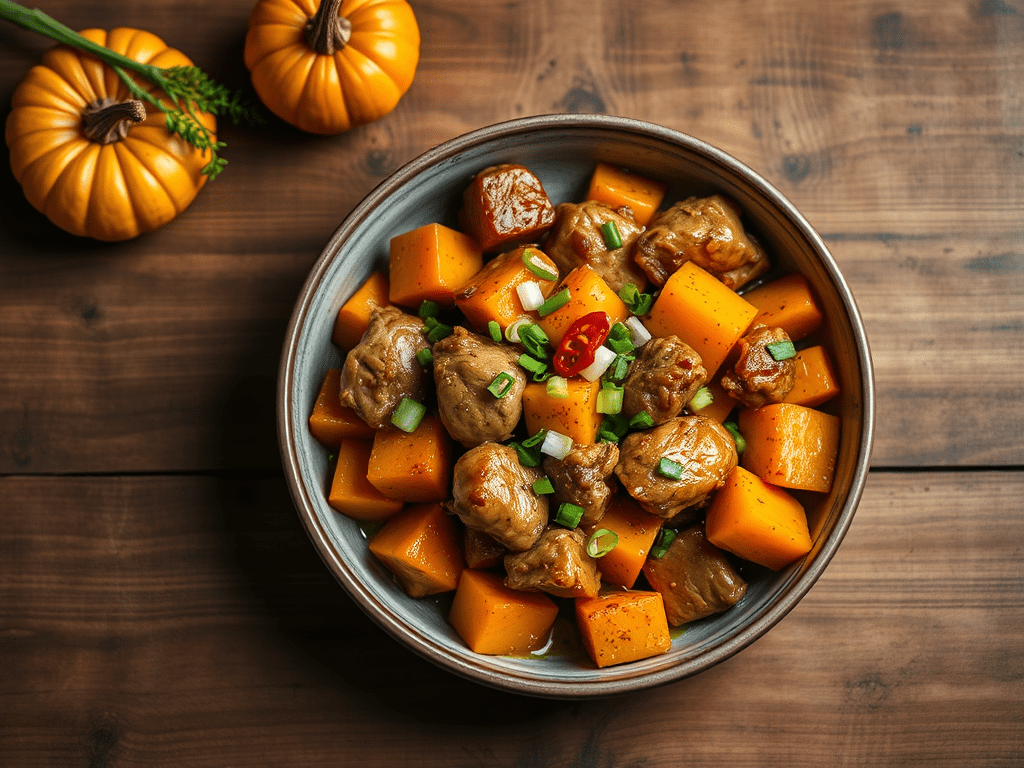
As the week wore on and the leftovers from Halloween dwindled, there sat one last small pumpkin on my counter—stranded, almost forgotten, and definitely too cute (and tasty) to toss. Meanwhile, a different kind of craving was simmering: I wanted something bold and Asian for dinner, but not the usual suspects. I wasn’t after Chinese comfort or Indian spice this time—I was hungry for something new, bright, and just a little bit unexpected.

So I did what any curious cook in the digital age does: I turned to my trusty new AI companion, Perplexity. Could it turn an autumnal pumpkin and everyday chicken thighs into an Asian-inspired dinner that wasn’t Indian or Chinese? Suddenly, the kitchen felt like a playground for flavors I hadn’t mixed before.

With no coconut milk or fish sauce, I was a little skeptical—would that creamy, savory, tangy thing I craved even be possible? But I trusted the process, let Perplexity guide me, and blended pantry staples like soy sauce, rice vinegar, a splash of whole milk, and a drizzle of honey. In went fresh pumpkin cubes and juicy chicken thighs, bubbling together into something that smelled absolutely incredible.

I tasted, I tweaked, and soon realized: letting go of “authentic” and leaning into creativity was the best choice I could have made. The pumpkin melted into velvety richness; the sauce was deeply savory, just sweet enough, and bright with just the right amount of tang—all made using ingredients I already had on hand. To finish, a sprinkle of red pepper and a few shakes of dried mint added yet another layer of sweet spice, making the whole dish pop in a way that was both familiar and brand-new. 

The final touch was serving the recipe over a bed of steaming basmati rice—a fragrant base that soaked up every bit of the rich, creamy, and subtly spiced sauce. With each bite, the flavors took me back to those hidden Thai gems in the Bay Area, reminding me that inspiration can come from a craving, a rescued pumpkin, and the joy of creative cooking with Perplexity.

Whether you’re looking to use up autumn squash, experiment with Thai-inspired flavors, or simply trust the adventure of a kitchen experiment, this meal proves that deliciousness is never far from your pantry staples—and a willingness to break the rules.

Ingredients

4 chicken thighs, boneless, skinless (cut in pieces)

2 cups fresh pumpkin, peeled and diced

2 tbsp neutral oil (like canola or vegetable)

3 garlic cloves, minced

1 small onion, sliced

1-2 tbsp soy sauce

1-2 tbsp rice vinegar or white vinegar (or juice of 1/2 a lime)

1 tbsp brown sugar or honey

1/2 cup whole milk

1 tbsp yogurt or extra milk (optional, for extra creaminess)

1 tsp ground black or white pepper

Chili flakes (optional)

Chopped green onions or cilantro (for garnish)

Roasted peanuts or cashews (optional topping)

Serve over rice

Instructions

Heat oil in a large skillet or wok. Sauté onion and garlic for 2 minutes until fragrant.

Add chicken pieces and cook until browned on all sides.

Stir in diced pumpkin. Cover to par cook the pumpkin. Just 2-3 minutes.

Add soy sauce, vinegar or lime juice, brown sugar or honey, and pepper.

Pour in whole milk (add yogurt if using). Stir well. Lower heat and cover the pan. Simmer for 8–12 minutes, stirring, until the pumpkin is tender and the sauce thickens.

Taste and adjust seasoning—add more soy for salt, more sugar for sweetness, or extra vinegar/lime for acidity.

Finish with sliced green onions, mint, and optional chili flakes or roasted nuts. Serve over rice.

Pantry Swap Tips

Soy sauce + vinegar are a great substitute for fish sauce in stir-fries, giving you both salt and tang.

Whole milk makes the sauce creamy and binds flavors, standing in for coconut milk.

Use any neutral oil and your favorite nuts or herbs.

This easy, flexible meal makes the most of what you have, celebrating comforting Asian flavors in a homemade way.

What are some of your own creative food adventures? Share in the comments to keep the creative food adventures going. Make sure to subscribe for more recipes.

YouTube/@itsnickylynn

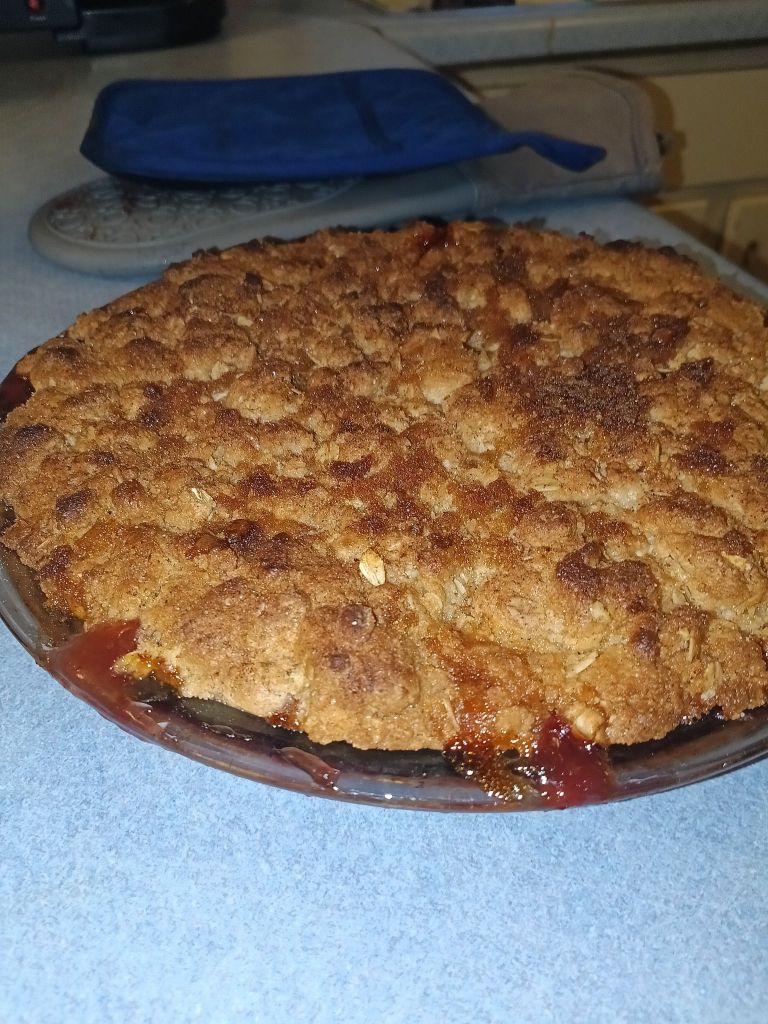
Plum Cobbler Crisp with Hazelnut Coffee Creamer

Sometimes, Southern hospitality arrives in the form of a box of freshly picked fruit. When our neighbor handed my husband a box brimming with ripe, dark plums, it was clear these beauties deserved a dessert that honors their vibrant flavor and our family’s inherited sweet tooth.

In true Southern tradition, we decided to whip up something comforting and golden—using only what we already have in the kitchen.

With no extra accompanying fruits or heavy cream on hand, we embraced a little pantry ingenuity and reached for hazelnut coffee creamer.

The result: a cobbler crisp that’s sweet, nutty, and perfectly suited for late-summer gatherings. Whether served at the dinner table or on the porch, this dessert is proof that the best recipes begin with a simple act of neighborly kindness and a craving for Southern sweetness

Photo by: Nicole Douglas

Recipe

Ingredients:

– 8–10 large ripe plums, pitted and sliced

– ⅓ cup light brown sugar (plus 1 tbsp for topping)

– 2 tablespoons apple brandy or bourbon (optional)

– 3 tablespoons cornstarch

– 1 teaspoon ground cinnamon

– ¼ teaspoon nutmeg

– ½ teaspoon lemon zest

Topping:

– 1 cup all-purpose flour

– ½ cup rolled oats

– ⅓ cup brown sugar

– ⅓ cup granulated sugar

– 1 teaspoon baking powder

– ½ teaspoon salt

– 6 tablespoons cold unsalted butter, cubed

– ⅓ cup hazelnut coffee creamer (liquid type)

– 1 tablespoon of coarse sugar (for sprinkling)

Instructions:

1. Preheat the oven to 375°F (190°C). Lightly grease a 9×9-inch baking dish or 10-inch cast iron skillet.

2. In a large bowl, gently mix the sliced plums, brown sugar, cornstarch, cinnamon, nutmeg, and lemon zest. Let the fruit rest for about 5 minutes.

3. Spread the plum mixture evenly in the prepared pan.

  For the topping:

Combine flour, oats, sugars, baking powder, and salt. Cut in butter until the mixture forms pea-sized crumbs.

Stir in a hazelnut coffee creamer just until the dough holds together; do not overmix.

Crumble the topping evenly over the plums, leaving gaps for juices to bubble up.

Sprinkle with coarse sugar.

Bake for 40–45 minutes, or until the topping is golden and plum juices are bubbling.

  Allow to cool slightly, then serve warm—ideally with a scoop of vanilla ice cream or extra drizzle of coffee creamer.

This plum cobbler crisp transforms everyday ingredients and is an unexpected gift into pure Southern dessert joy—ready for sharing at the next family supper or neighborhood treat.


Ancient Royal Greens

Molokhia, also known as jute mallow or Jew’s mallow, is a beloved leafy green vegetable and soup with deep roots in Egyptian history dating back to the time of the pharaohs.

Revered as “the food of kings,” this nutrient-dense green earned its name from the Arabic word “mulukiya,” meaning royal, reflecting its status as a prized dish once reserved for Egyptian monarchs.

Ancient Egyptian tomb murals and food depictions suggest that molokhia was cultivated along the fertile Nile Valley, and folklore credits it with healing and restorative powers.

Despite its royal origins, molokhia has become a staple of everyday Egyptian cuisine, cherished for its unique flavor and cultural heritage.

Dive into the story of molokhia—a superfood layered in history, culture, and tradition—and discover how to make this iconic Egyptian dish your own. 

Rediscovering Egypt Through an Unexpected Conversation

Growing up, Egypt was at the epicenter of my childhood obsessions, rivaling even dinosaurs for attention. Tales of the legendary pharaohs, timeless pyramids, and epic biblical events shaped my worldview. For years, the mysteries of the Nile and the grandeur of ancient civilization seemed worlds away, tucked inside history books and vivid classroom stories.

Today, that distant enchantment found a surprising spark. Through work, I connected on a call with a gentleman based in Asia who, as it turned out, was originally from Egypt. His casual disclosure felt like uncovering a secret passage to the past—a living link to places I’d admired since childhood.

Our conversation quickly deepened, moving from professional matters to food, culture, and history. I was eager to know what he missed most, and naturally, I asked: “What’s the best Egyptian food I should try?” He offered a name I couldn’t pronounce—described simply as “a green soup, served with rice.” Intrigued, I had to know more.

Introducing Molokhia: Egypt’s Iconic Green Soup

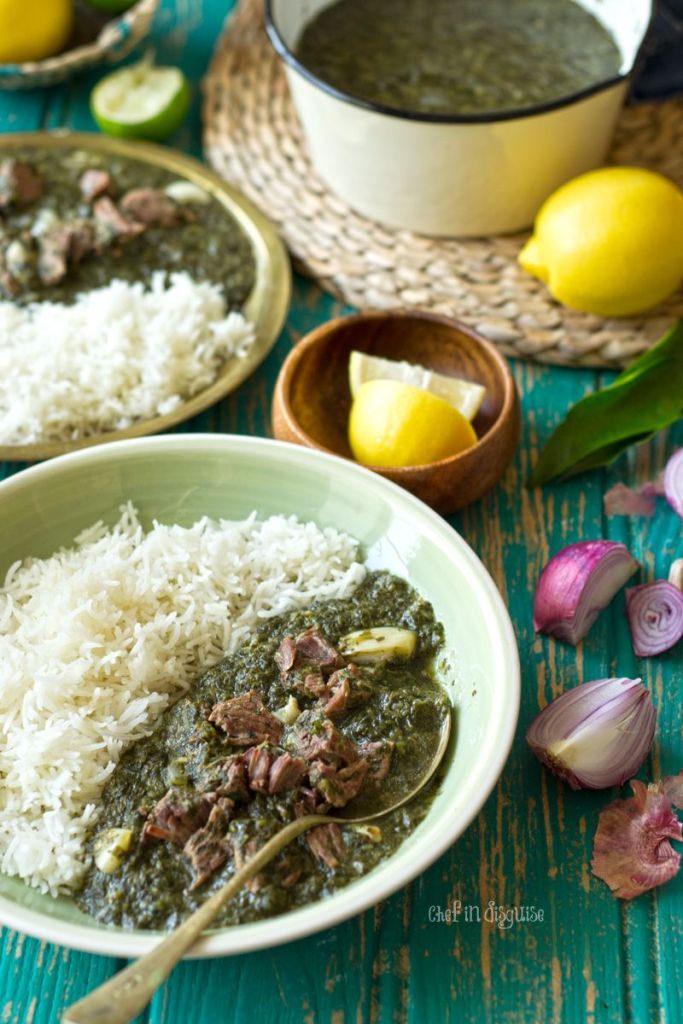
Molokhia, it turns out, is one of Egypt’s most beloved dishes—a vibrant green soup made from jute mallow leaves, simmered in a flavorful broth with chicken or beef, and finished with a fragrant topping called tasha (a blend of sautéed garlic and ground coriander).

This culinary classic isn’t just a meal; it’s a cultural anchor, rich with family traditions and centuries-old techniques. The soup is served with white rice and, often, chicken. Its flavor is robust, earthy, and unmistakably Egyptian—exactly the kind of dish that can spark nostalgia for home.

image source: “Chef in Disguise”.

Essential Ingredients and Spices

– Minced molokhia (jute mallow) leaves—fresh, frozen, or dried
– Chicken or beef broth
– Garlic (generous amounts)
– Ground coriander
– Ghee, butter, or oil for the topping
– Black pepper, bay leaves, and cardamom (for the broth)
– Onion and salt (for the broth)
– Optional: Lemon juice for a bright finish

The Secret Tasha Garlic-Coriander Topping

The crowning glory of molokhia is the tasha—a sizzling blend of garlic and ground coriander sautéed in ghee or butter, then stirred into the soup at just the right moment. Here’s how you make it:

– Mince garlic cloves and combine with ground coriander.
– Sauté in ghee, butter, or oil over medium-low heat until aromatic and lightly golden, about 3–4 minutes. Avoid browning.
– Stir the fragrant mixture directly into the simmering molokhia right before serving to release bold, savory flavors.

A Taste of Egypt, Wherever You Are

What began as a routine work call became a rediscovery of a childhood passion—living proof that Egypt’s magic isn’t limited to dusty tomes or far-off lands. Sometimes, it arrives unexpectedly, in the form of a stranger’s story and the promise of something delicious waiting to be cooked and shared.

If you want an authentic taste of Egypt, molokhia is where to start. And if you’re lucky enough to meet someone willing to share their stories, that’s the true essence of travel—bridging worlds, one conversation (and one meal) at a time.

All Souls’ Day — Remembering Through Food, Culture, and Shared Stories

Food as Memory and Ritual

Food is more than nourishment—it’s a vessel of memory, ritual, and identity. The flavors that fill a kitchen carry echoes of those who came before us: a grandmother’s recipe, a scent rising from the stove, a meal prepared on a sacred day. Across time and cultures, food has remained humanity’s most intimate language of remembrance. It commemorates births, binds forgotten families across oceans, and comforts the grieving.  In every bite lies a story, an inheritance of survival and love. The salt on the tongue, the smoke of cooking fires, the warmth of shared bread—these sensations revive  hands and voices. Whether set on a holiday table or a humble plate, every meal is both offering and continuity: to cook is to remember; to eat together is to renew. In this way, food becomes our most enduring ritual, keeping the past alive in every season of the present.

Remembering Through Food, Culture, and Shared Stories

Across continents and centuries, All Souls’ Day has remained a sacred moment of reflection — a day to honor those who have crossed before us by sharing the gifts they left behind. While customs vary across the world, the heart of this day is the same: to nourish remembrance through prayer, food, and storytelling. 

The act of cooking together, lighting candles, and serving ancestral dishes is more than a ceremony — it is an offering of love that connects the living to the departed. Every family’s table becomes an altar; every meal shared is its own quiet prayer.

  A Table of Memory and Gratitude

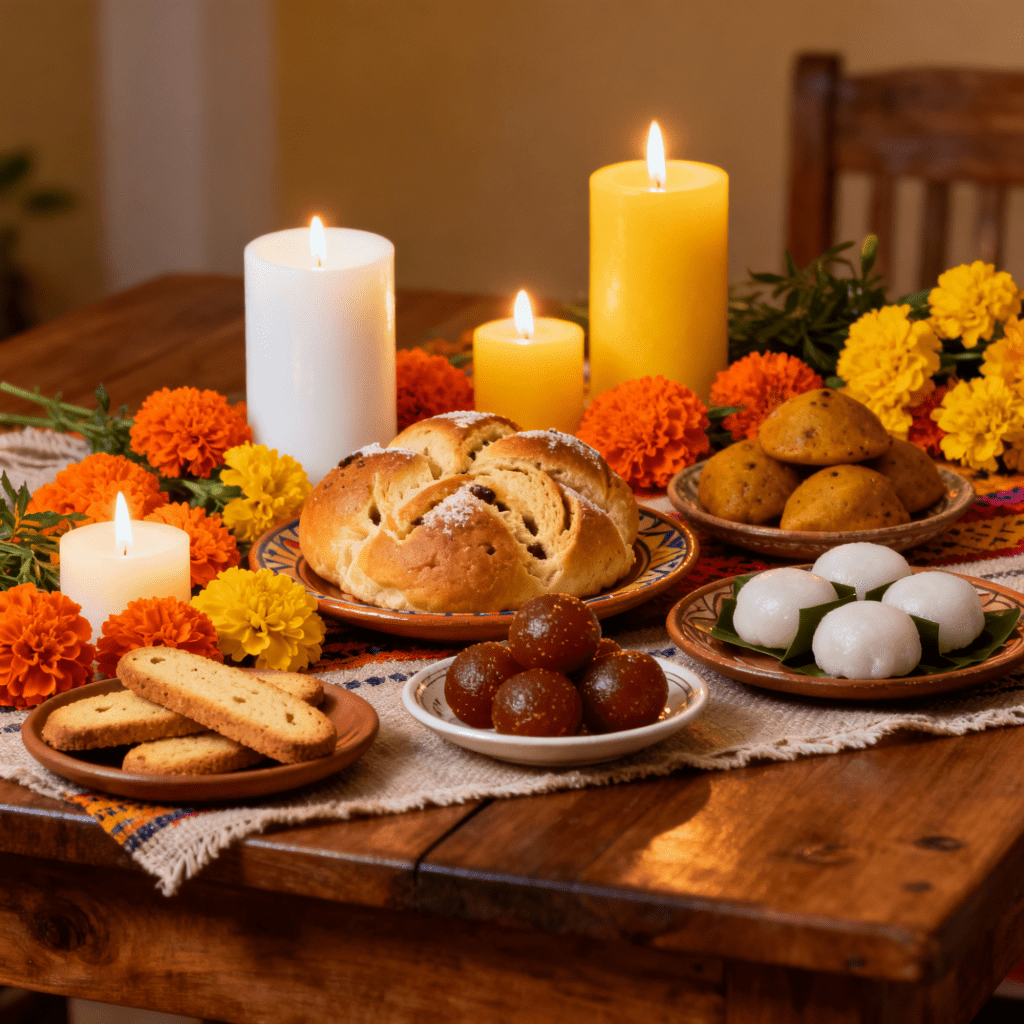
From Italy to Mexico, Ireland to Senegal, our ancestors understood that remembering those who came before needed something tangible — flame, scent, and taste. Food carries memory in its simplest, most comforting form. On All Souls’ Day, a cup of milk, a sweet bread, or a bowl of stew becomes both sustenance and symbol: an invitation to the spirits of the past and a celebration of the resilience of the living.

In Mexico, families prepare Pan de Muerto, or “bread of the dead,” its circular form and sugar-dusted bones symbolizing the eternal cycle of life.

In Ireland, Soul Cakes — small, spiced breads — are baked and shared while prayers are offered for departed souls, an act rooted in the medieval tradition of “souling.”

Across the Pacific islands, kumara (sweet potatoes) drizzled with coconut cream recall ancient ways of honoring family lineage and the relationship between land, sea, and spirit.

In Senegal, the vibrant rice and fish dish Thieboudienne embodies gratitude for community and shared heritage.

In China, during the Qingming Festival, families kneel before the graves of their ancestors with offerings of Qingtuan, green rice dumplings that symbolize renewal and remembrance.

And among Indigenous peoples of Turtle Island, the Three Sisters Stew — corn, beans, and squash — carries ancestral wisdom about balance, nourishment, and stewardship of the land.

Each dish is more than food; it’s a story — a preservation of identity and a continuation of life’s sacred rhythm.

https://youtube.com/@itsnickylynn
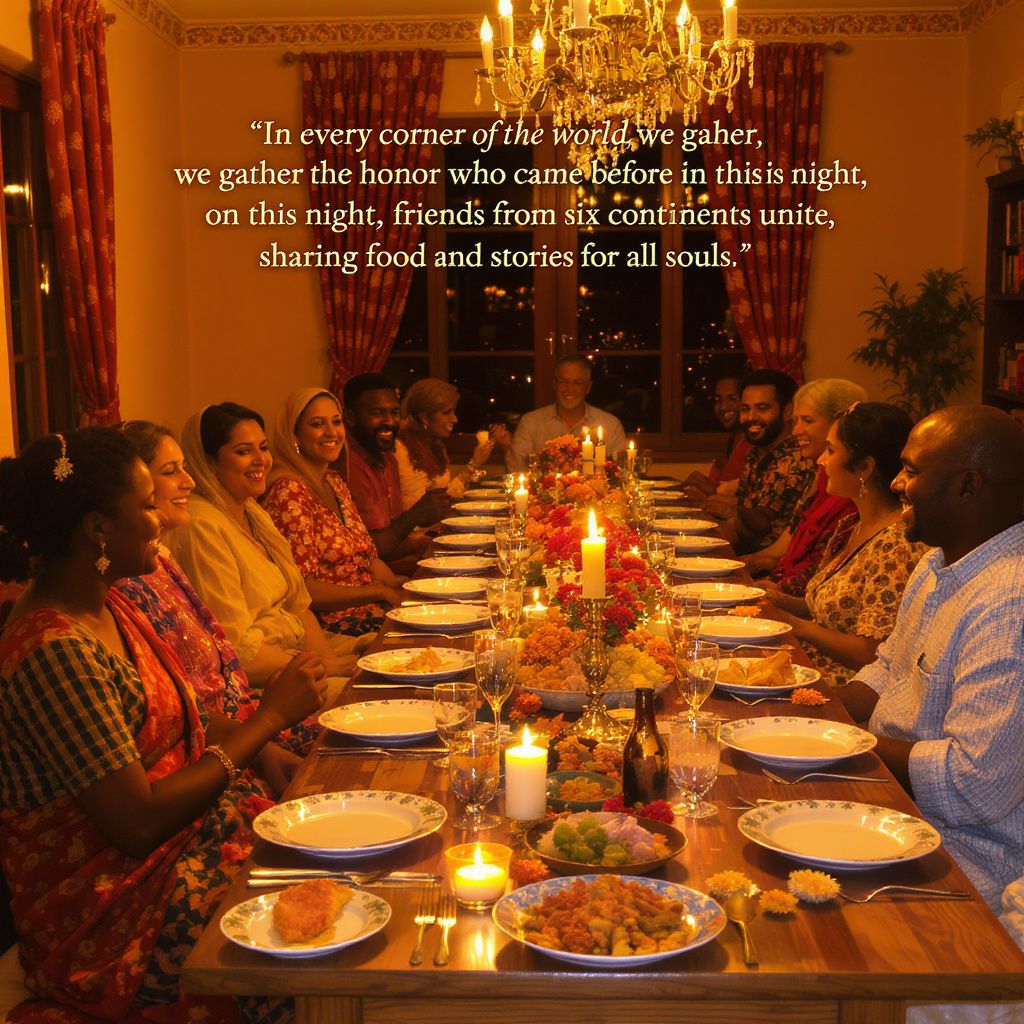
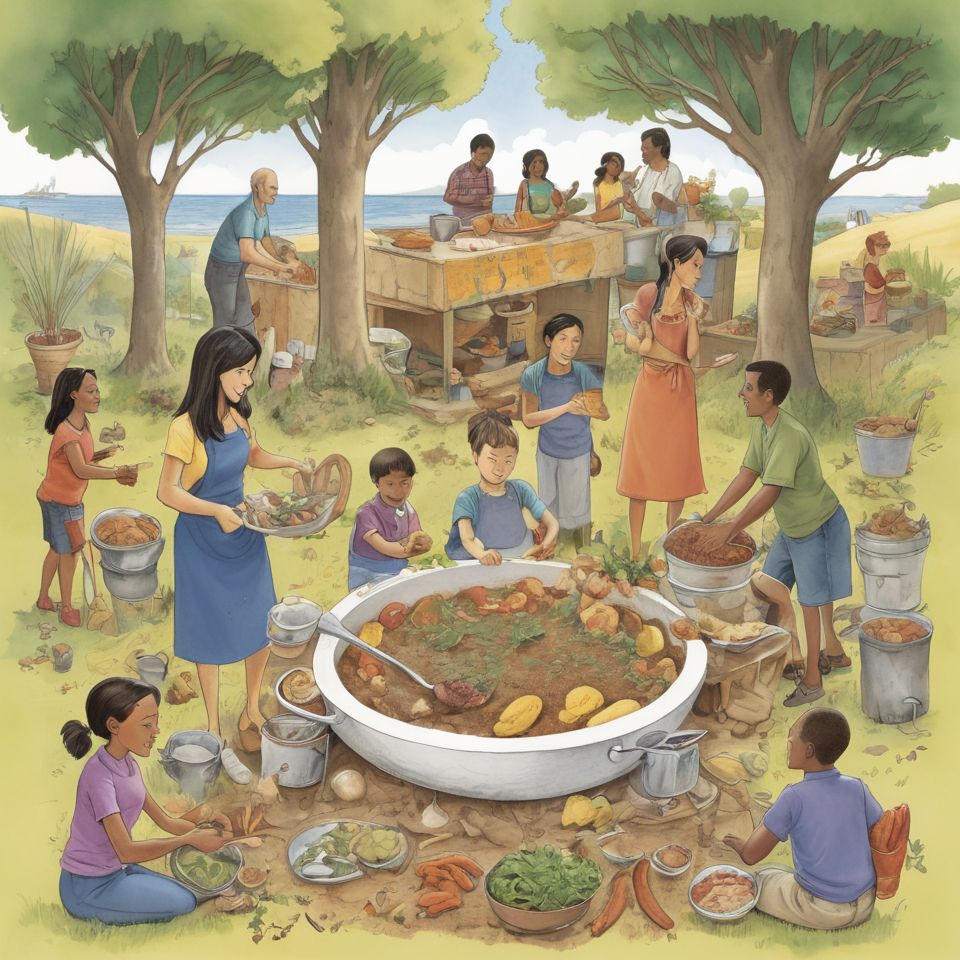
AI generated an image of a multicultural dinner.

Why We Gather and Share

Gathering to eat, tell stories, and remember is not a mere ritual — it’s an act of connection that keeps our communities alive. Each pot stirred, each bite shared, breathes life into the customs that shaped us. These meals are lessons from time itself: teaching patience, gratitude, and an understanding that we are part of something enduring.

Food is the great translator of culture. It transcends language, faith, and geography. It reminds us that even amid grief, the human response is to create warmth — to feed ourselves and others in remembrance and hope.
Through storytelling, the recipes of generations past continue to find new meaning — their flavors adjusted, but their essence unchanged.

Passing the Flame Forward

We inherit these foods and traditions not just as keepsakes of the past, but as promises for the future. To prepare them is to engage in a sacred duty, ensuring that the wisdom, love, and creativity of our ancestors are not lost. Cooking becomes storytelling; storytelling becomes continuity.

To forget these customs would be to let go of our identity. But sharing them—whether through a family dinner, a community feast, or even a YouTube video seen across borders—ensures that memory survives. It is how the voices of the past continue to speak.

A Shared Feast of Respect

Survival, in every culture, has depended on community — on compassion that is expressed through shared meals and respect for differences. Each All Souls’ Day dish tells the same truth: our humanity strengthens when we give, when we remember, and when we share what nourishes us with reverence.

To gather in remembrance is to affirm that love doesn’t end with death. It transforms — into story, into flavor, into life passed forward.
May every meal shared in memory remind us that our connection to the past is not meant to bind us, but to sustain us.  Because each culture’s survival — and each soul’s journey — is strengthened by the simple act of sharing, with gratitude and respect.

Días de los Muertos: Food, Culture, and History

Discover the rich tapestry of Día de los Muertos, where food, family, and memory intertwine to honor those who have come before us. This blog dives into the delicious traditions of Mexico’s Day of the Dead, exploring cultural rituals, the significance of ofrendas, and the history behind favorites like tamales and pan de muerto. Whether you are curious about ancestral recipes or searching for authentic holiday dishes, you’ll find a savory celebration and timeless connection here.

The Meaning Behind Día de los Muertos Food

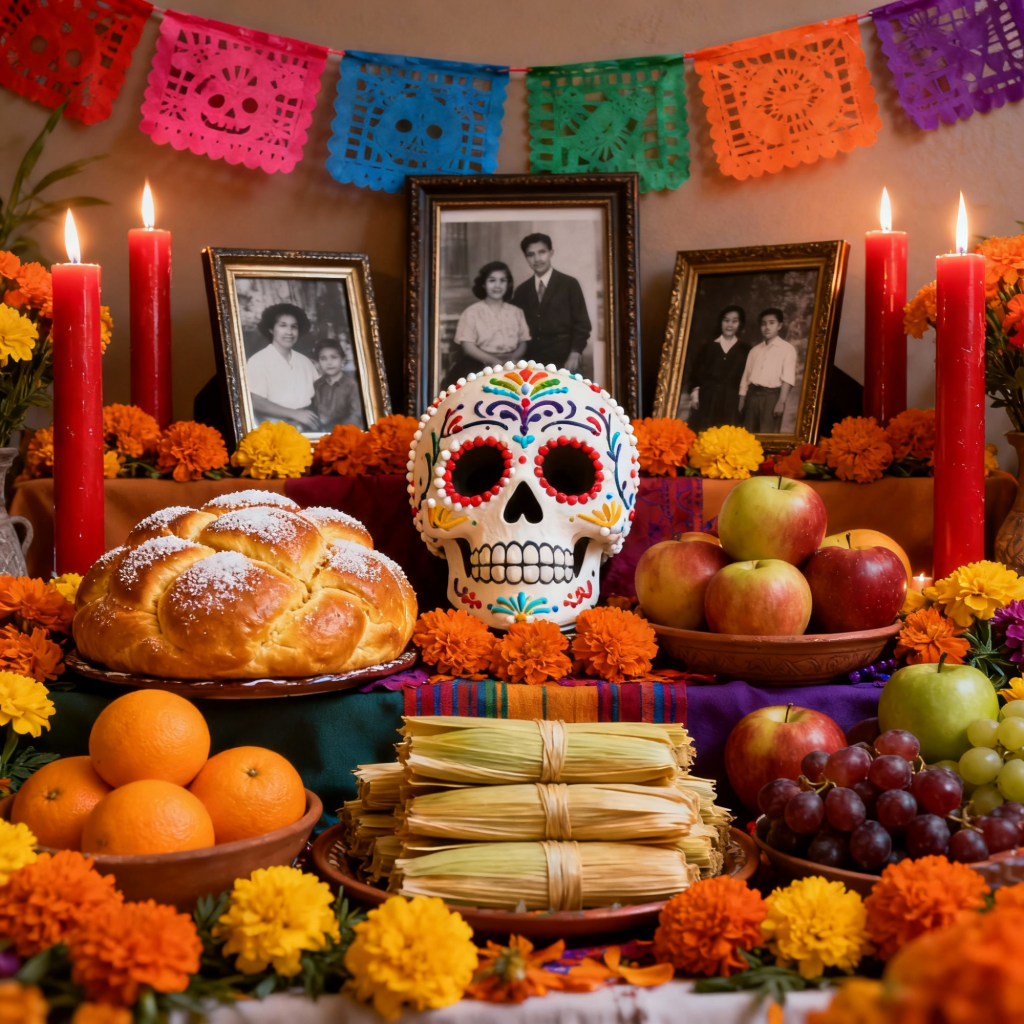
Día de los Muertos celebrates the lives of departed loved ones through vibrant rituals, elaborate altars, and plenty of food meant to welcome spirits home. Dishes like sugar skulls and pan de muerto serve as both offerings and symbols, with each ingredient and tradition deeply rooted in indigenous and colonial histories.

– Ofrendas are altars filled with the favorite foods of the deceased, representing ongoing love and remembrance.
– Signature foods include tamales, pan de muerto, mole, and more, each carrying spiritual and family meaning.

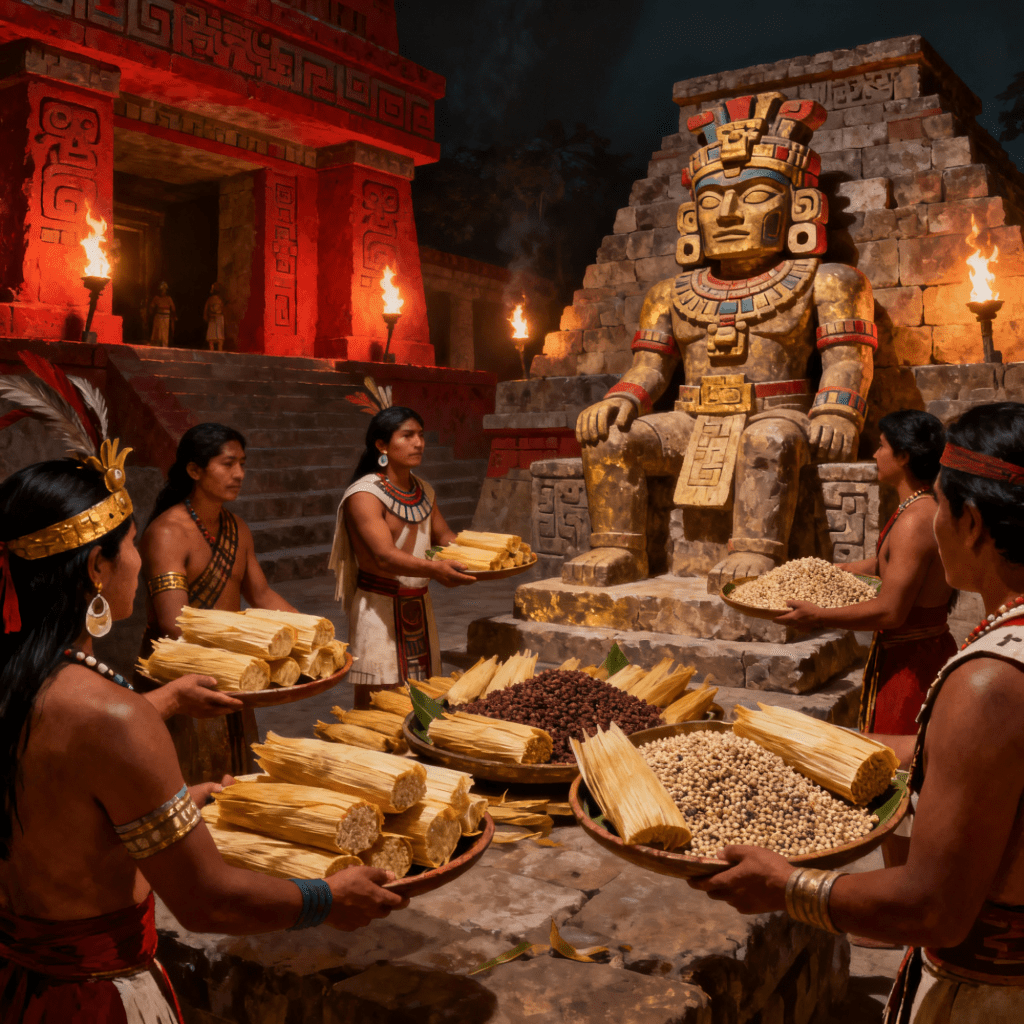
In ancient Mesoamerican civilizations such as the Aztec, Maya, and Olmec, tamales were far more than nourishment—they were sacred elements in religious and agricultural rituals symbolizing life, fertility, and divine connection.

Offerings to the GodsCorn (maize), believed to be the substance from which humanity was created in Mayan mythology, gave tamales extraordinary religious significance. Tamales were routinely offered to gods in temples and at community festivals as a symbol of gratitude for fertility, rain, and harvests. Among the Aztecs, amaranth tamales were specifically dedicated to Xiuhtecuhtli, the god of fire, during ceremonies thanking deities for renewal and sustenance.

Aztec Ceremonies and Fasting Rituals

The Aztecs practiced elaborate tamale-based rituals throughout their calendar year. One of the most sacred was Atamalcualiztli, held every eight years, where participants fasted and consumed only plain “water tamales” (masa without filling or seasoning) to purify the spirit and renew the natural balance between people and maize. Another celebration, Uauhquiltamalcualiztli, honored the fire deity Ixcozauhqui and involved ceremonial preparation of amaranth-stuffed tamales shared among entire communities.

Mayan Ceremonial Use

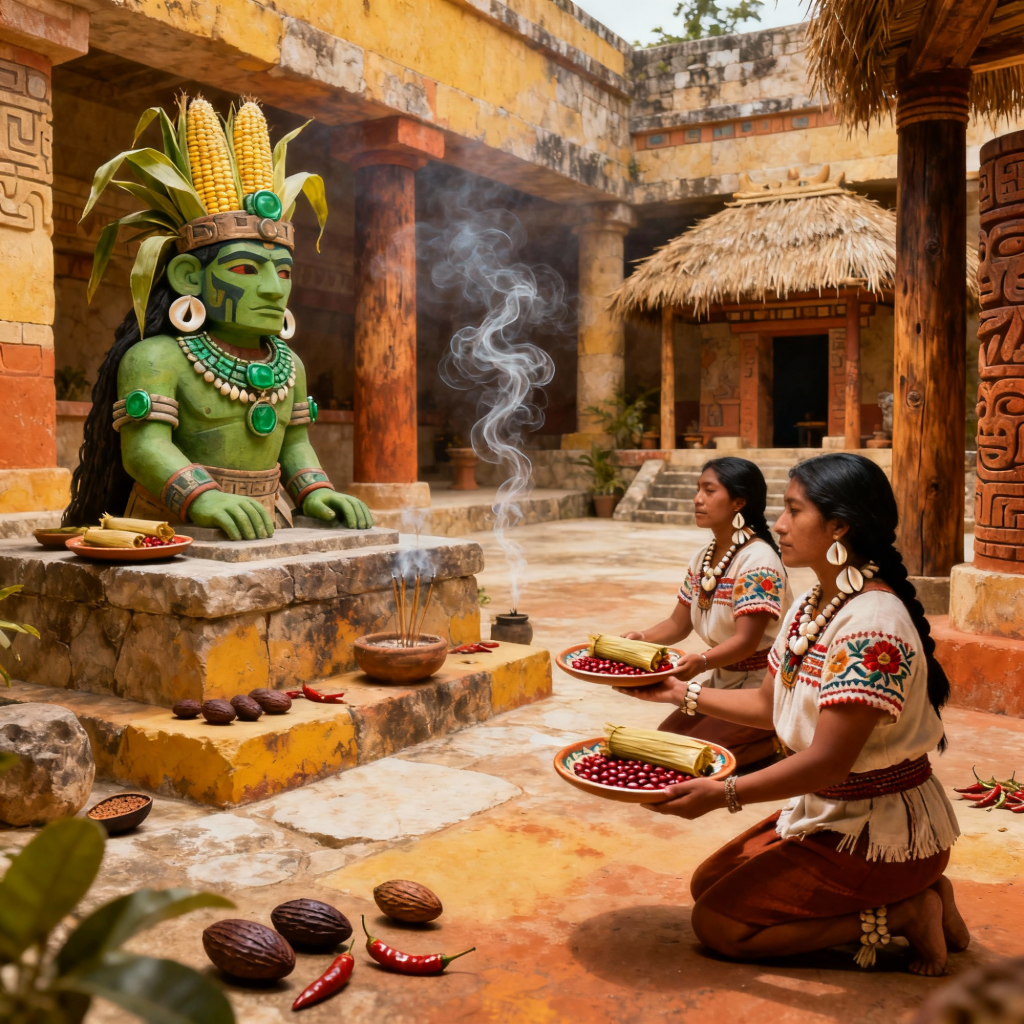
For the Maya, tamales held deep spiritual meaning connected to the Maize God, Hun Hunahpu, representing life, death, and rebirth. During offerings, red tamales filled with beans symbolized blood and vitality and were served at feasts thanking the gods for sustenance. Archaeological findings even depict tamales presented to nobles or deities in penance or gratitude—highlighting how they served both spiritual and social functions. 

Maya offers red tamales to Hunahpu, symbolizing life, death and rebirth.

Symbolism and Communal Meaning.

The tamale’s wrapping in corn or banana leaves symbolized protection, transformation, and the cyclical relationship between humans and nature. Preparing tamales was a communal act, connecting families and ritual participants through shared labor and sacred intention. Women, who were the principal makers, played a vital spiritual role, preparing tamales as part of marriage, harvest, and funeral ceremonies alike.  Across ancient Mesoamerica, the tamal was thus both ritual food and living prayer—an edible embodiment of gratitude, fertility, and the eternal bond between humanity, maize, and the gods.

Simple Tamale Recipe

**Ingredients:**
– 2 cups masa harina (corn flour for tamales)
– 1 1/2 cups chicken broth (plus more as needed)
– 1/2 cup lard or vegetable shortening
– 1 teaspoon baking powder
– 1 teaspoon salt
– Filling of your choice (shredded chicken with salsa, beans and cheese, or red chili pork)
– Dried corn husks (soaked in hot water 30 minutes).

**Instructions:**

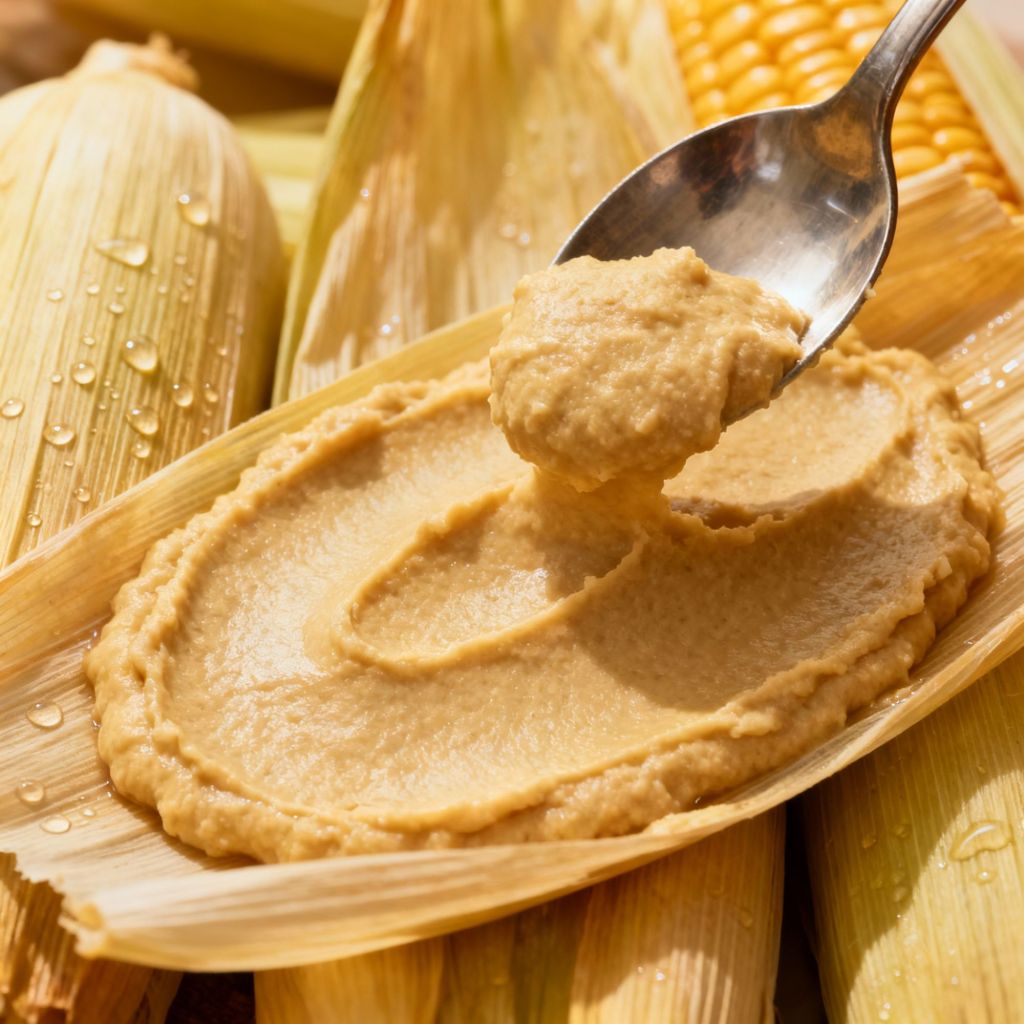
1. Mix masa, baking powder, and salt in a bowl. In a separate bowl, beat the lard until fluffy, then gradually add the masa mixture, alternating with broth, to create a smooth, spreadable dough.

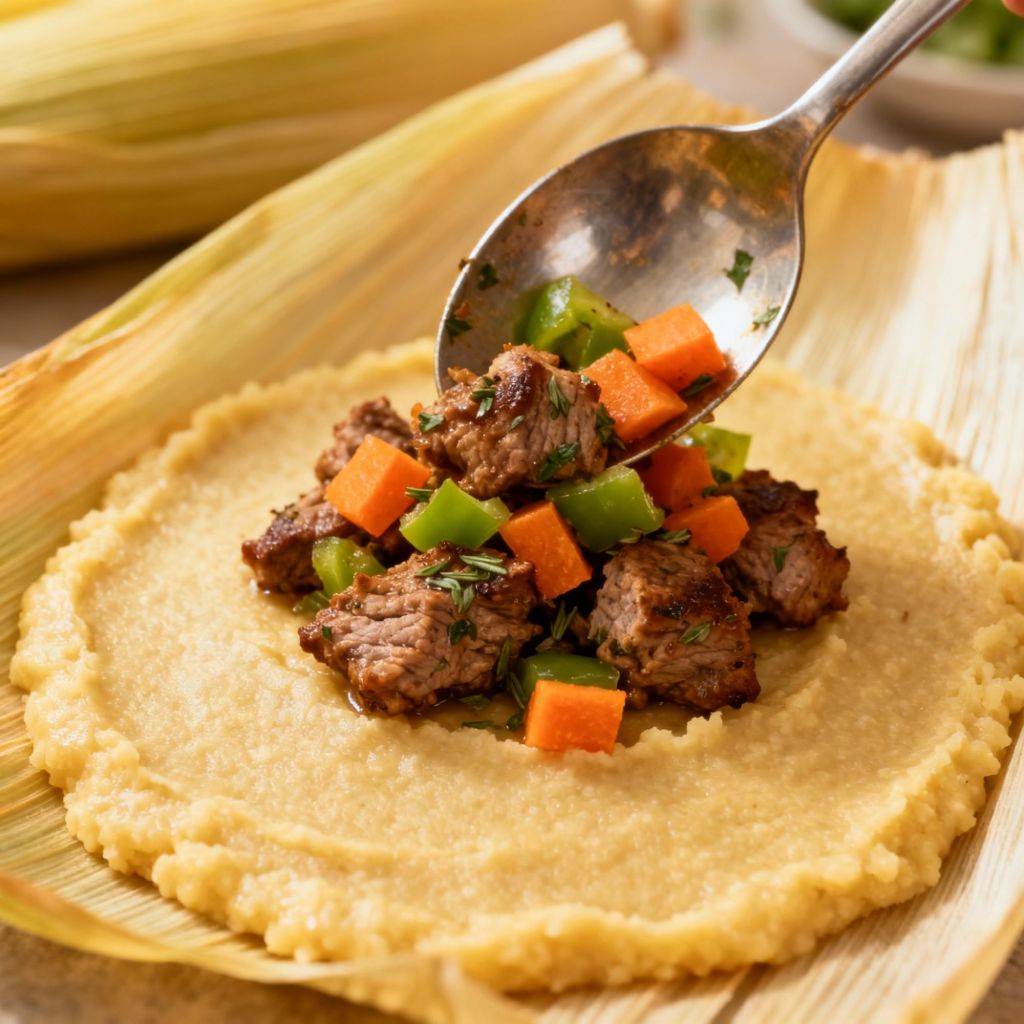
2. Lay a softened corn husk flat, spread 2-3 tablespoons of dough in a thin layer on the wide end, leaving space at the bottom.

3. Add a spoonful of filling in the center.

4. Fold sides over filling, then fold up the bottom of the husk.

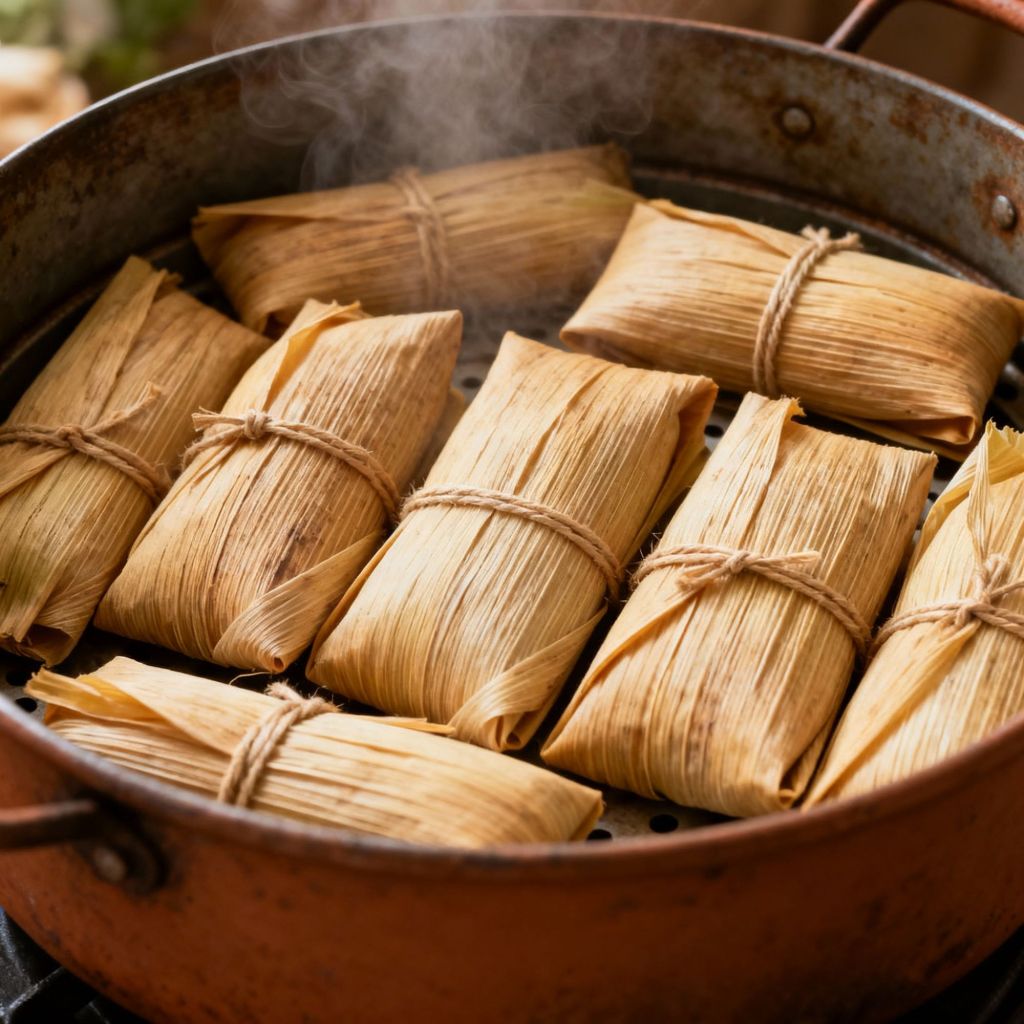
5. Place tamales standing up in a steamer basket. Cover with extra husks and steam for 45-60 minutes, until the dough separates easily from the husk.

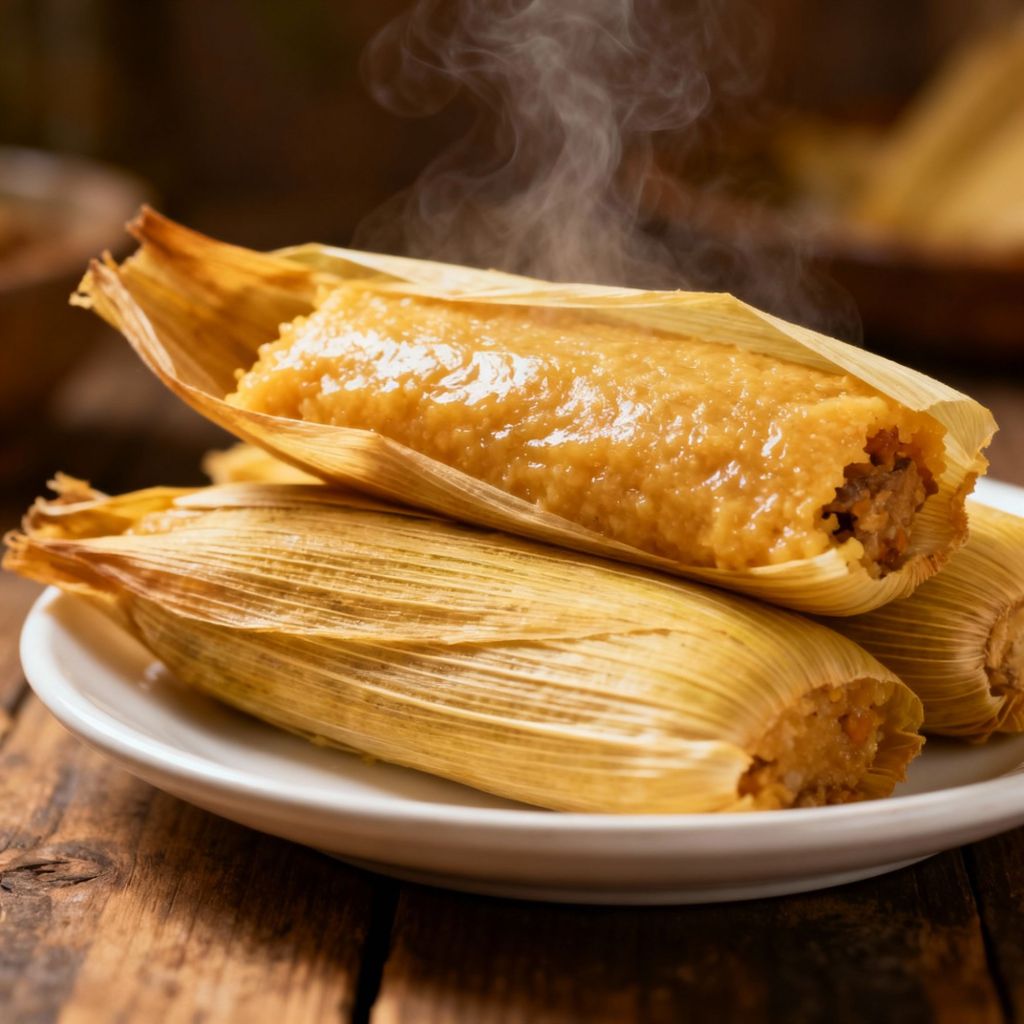
6. Serve hot with your favorite salsa.

Cultural Context & History

The tradition of tamales traces back thousands of years to pre-Hispanic Mesoamerica. Today, tamales remain a beloved comfort food for celebrations and a staple on Día de los Muertos altars, symbolizing nourishment and familial love across generations.

– Pan de muerto and sugar skulls also adorn altars, blending indigenous customs and Catholic influences.
– Each family’s celebration reflects regional differences and personal memories, creating a mosaic of Mexican cultural life.

Youtube.com/@ItsNickyLynn