Discover the rich tapestry of Día de los Muertos, where food, family, and memory intertwine to honor those who have come before us. This blog dives into the delicious traditions of Mexico’s Day of the Dead, exploring cultural rituals, the significance of ofrendas, and the history behind favorites like tamales and pan de muerto. Whether you are curious about ancestral recipes or searching for authentic holiday dishes, you’ll find a savory celebration and timeless connection here.
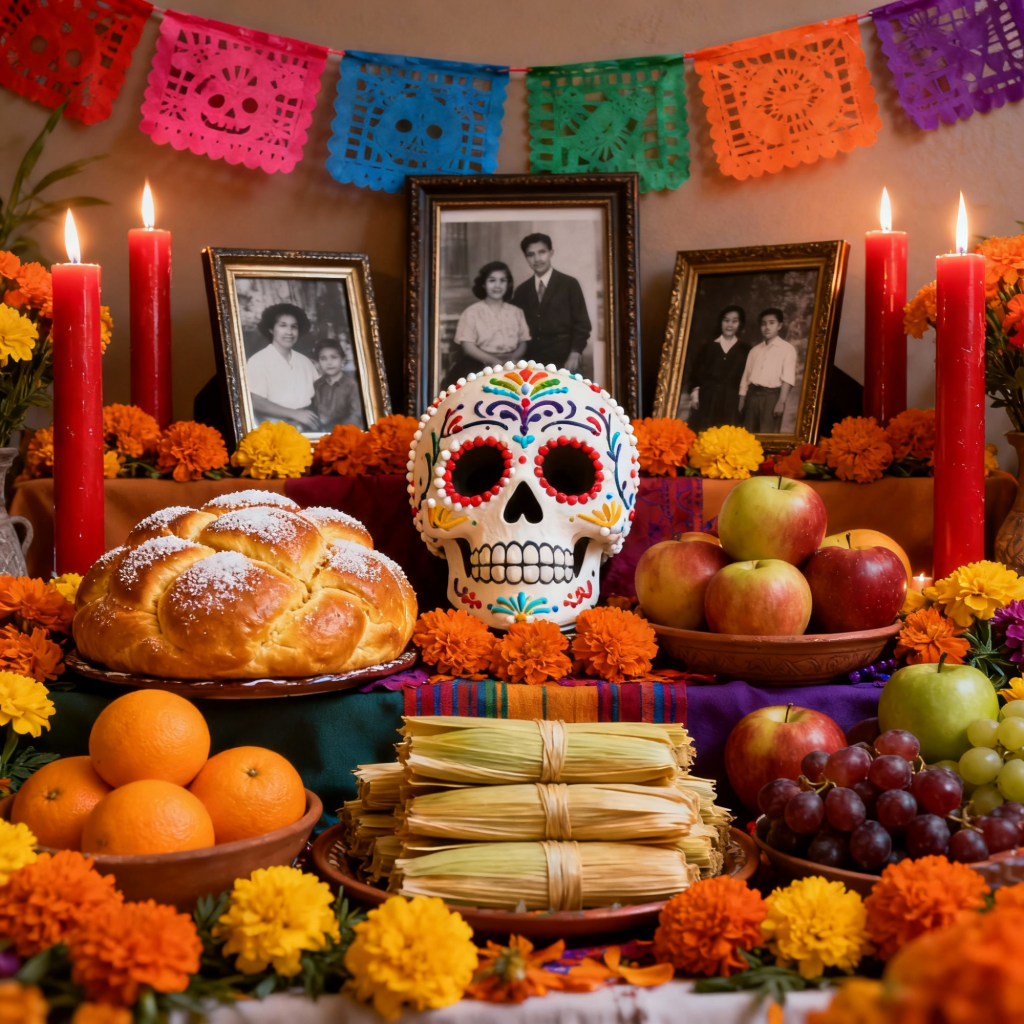
The Meaning Behind Día de los Muertos Food
Día de los Muertos celebrates the lives of departed loved ones through vibrant rituals, elaborate altars, and plenty of food meant to welcome spirits home. Dishes like sugar skulls and pan de muerto serve as both offerings and symbols, with each ingredient and tradition deeply rooted in indigenous and colonial histories.
– Ofrendas are altars filled with the favorite foods of the deceased, representing ongoing love and remembrance.
– Signature foods include tamales, pan de muerto, mole, and more, each carrying spiritual and family meaning.
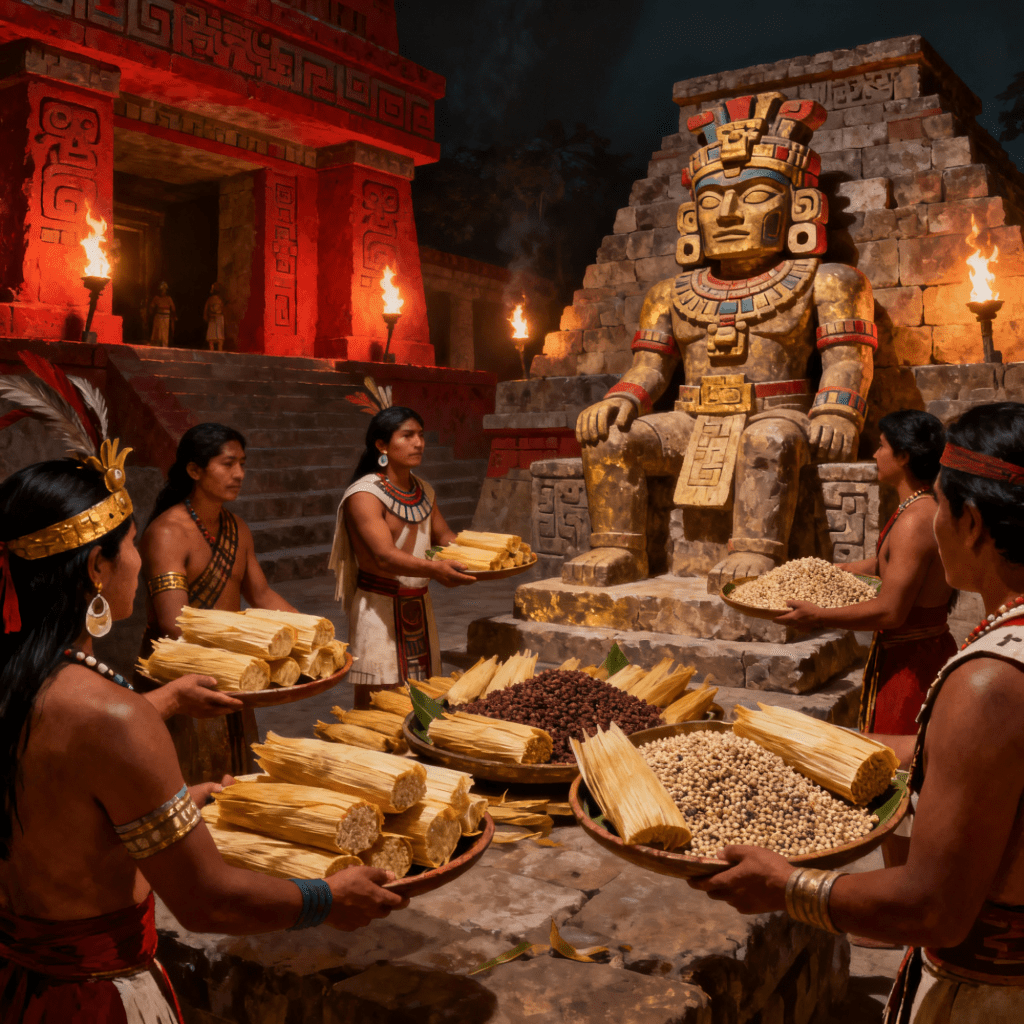
In ancient Mesoamerican civilizations such as the Aztec, Maya, and Olmec, tamales were far more than nourishment—they were sacred elements in religious and agricultural rituals symbolizing life, fertility, and divine connection.
Offerings to the GodsCorn (maize), believed to be the substance from which humanity was created in Mayan mythology, gave tamales extraordinary religious significance. Tamales were routinely offered to gods in temples and at community festivals as a symbol of gratitude for fertility, rain, and harvests. Among the Aztecs, amaranth tamales were specifically dedicated to Xiuhtecuhtli, the god of fire, during ceremonies thanking deities for renewal and sustenance.
Aztec Ceremonies and Fasting Rituals
The Aztecs practiced elaborate tamale-based rituals throughout their calendar year. One of the most sacred was Atamalcualiztli, held every eight years, where participants fasted and consumed only plain “water tamales” (masa without filling or seasoning) to purify the spirit and renew the natural balance between people and maize. Another celebration, Uauhquiltamalcualiztli, honored the fire deity Ixcozauhqui and involved ceremonial preparation of amaranth-stuffed tamales shared among entire communities.
Mayan Ceremonial Use
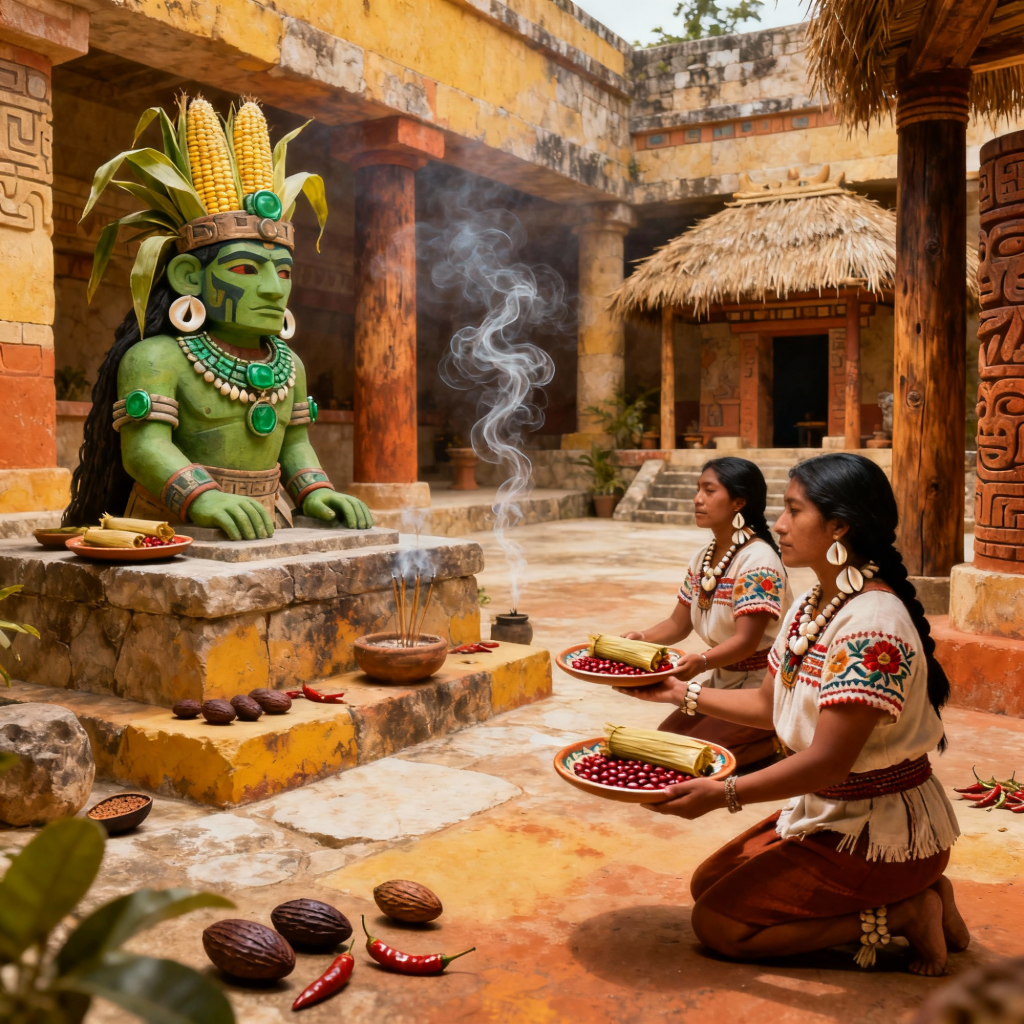
For the Maya, tamales held deep spiritual meaning connected to the Maize God, Hun Hunahpu, representing life, death, and rebirth. During offerings, red tamales filled with beans symbolized blood and vitality and were served at feasts thanking the gods for sustenance. Archaeological findings even depict tamales presented to nobles or deities in penance or gratitude—highlighting how they served both spiritual and social functions.
Symbolism and Communal Meaning.
The tamale’s wrapping in corn or banana leaves symbolized protection, transformation, and the cyclical relationship between humans and nature. Preparing tamales was a communal act, connecting families and ritual participants through shared labor and sacred intention. Women, who were the principal makers, played a vital spiritual role, preparing tamales as part of marriage, harvest, and funeral ceremonies alike. Across ancient Mesoamerica, the tamal was thus both ritual food and living prayer—an edible embodiment of gratitude, fertility, and the eternal bond between humanity, maize, and the gods.
Simple Tamale Recipe
**Ingredients:**
– 2 cups masa harina (corn flour for tamales)
– 1 1/2 cups chicken broth (plus more as needed)
– 1/2 cup lard or vegetable shortening
– 1 teaspoon baking powder
– 1 teaspoon salt
– Filling of your choice (shredded chicken with salsa, beans and cheese, or red chili pork)
– Dried corn husks (soaked in hot water 30 minutes).
**Instructions:**
1. Mix masa, baking powder, and salt in a bowl. In a separate bowl, beat the lard until fluffy, then gradually add the masa mixture, alternating with broth, to create a smooth, spreadable dough.
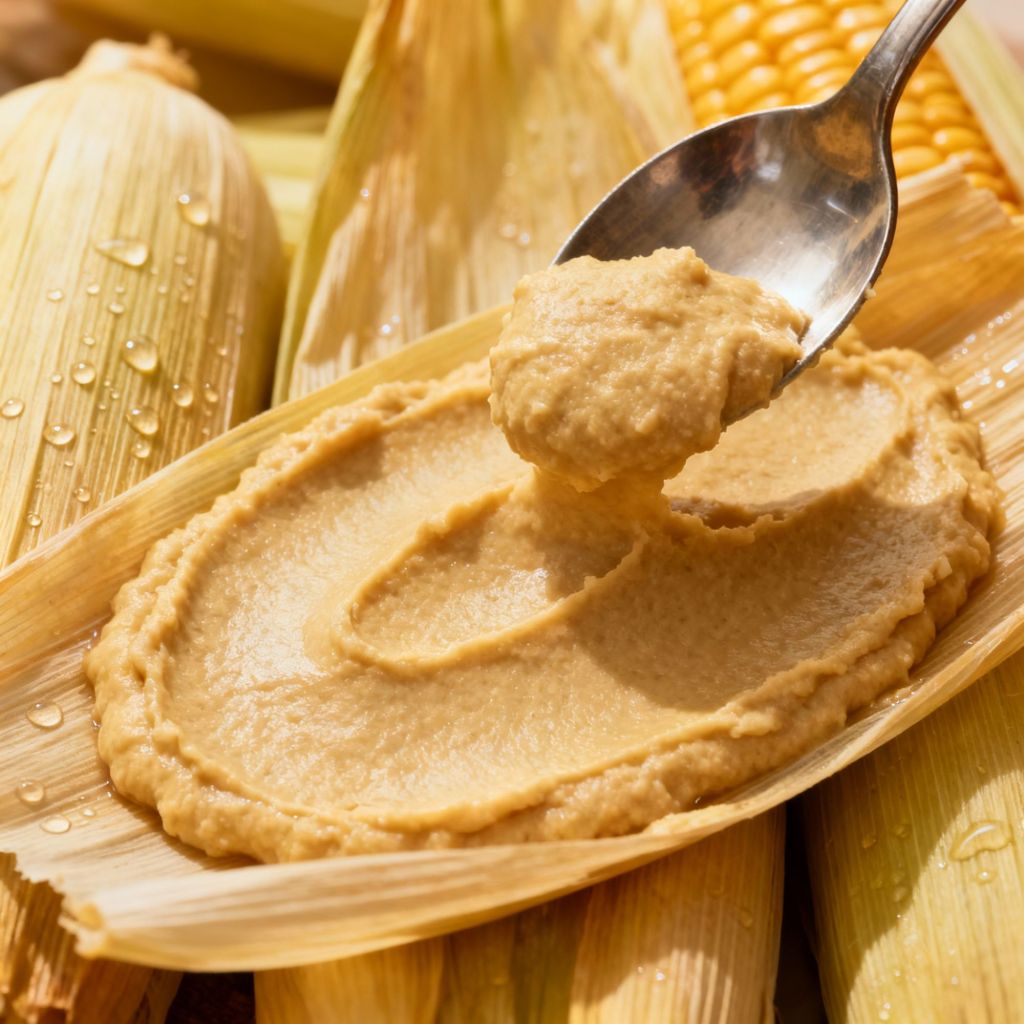
2. Lay a softened corn husk flat, spread 2-3 tablespoons of dough in a thin layer on the wide end, leaving space at the bottom.
3. Add a spoonful of filling in the center.
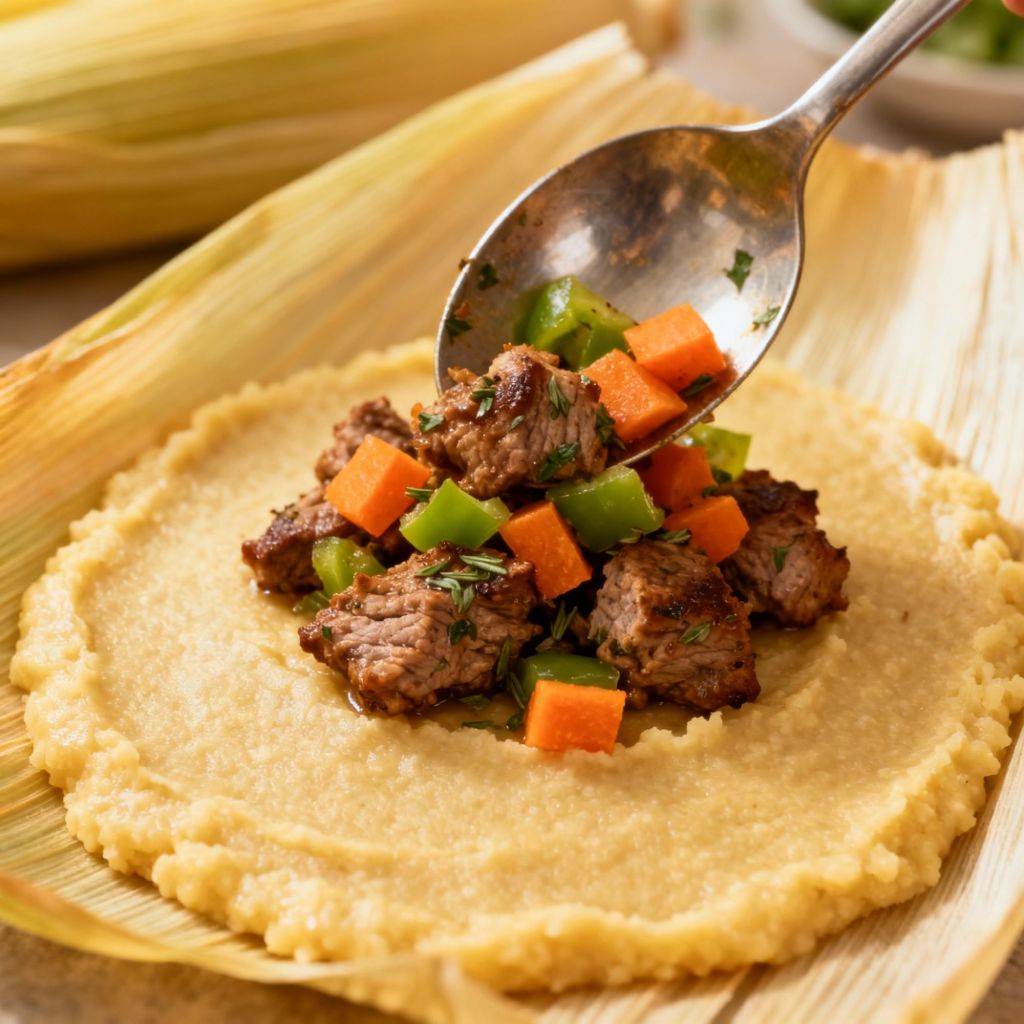
4. Fold sides over filling, then fold up the bottom of the husk.
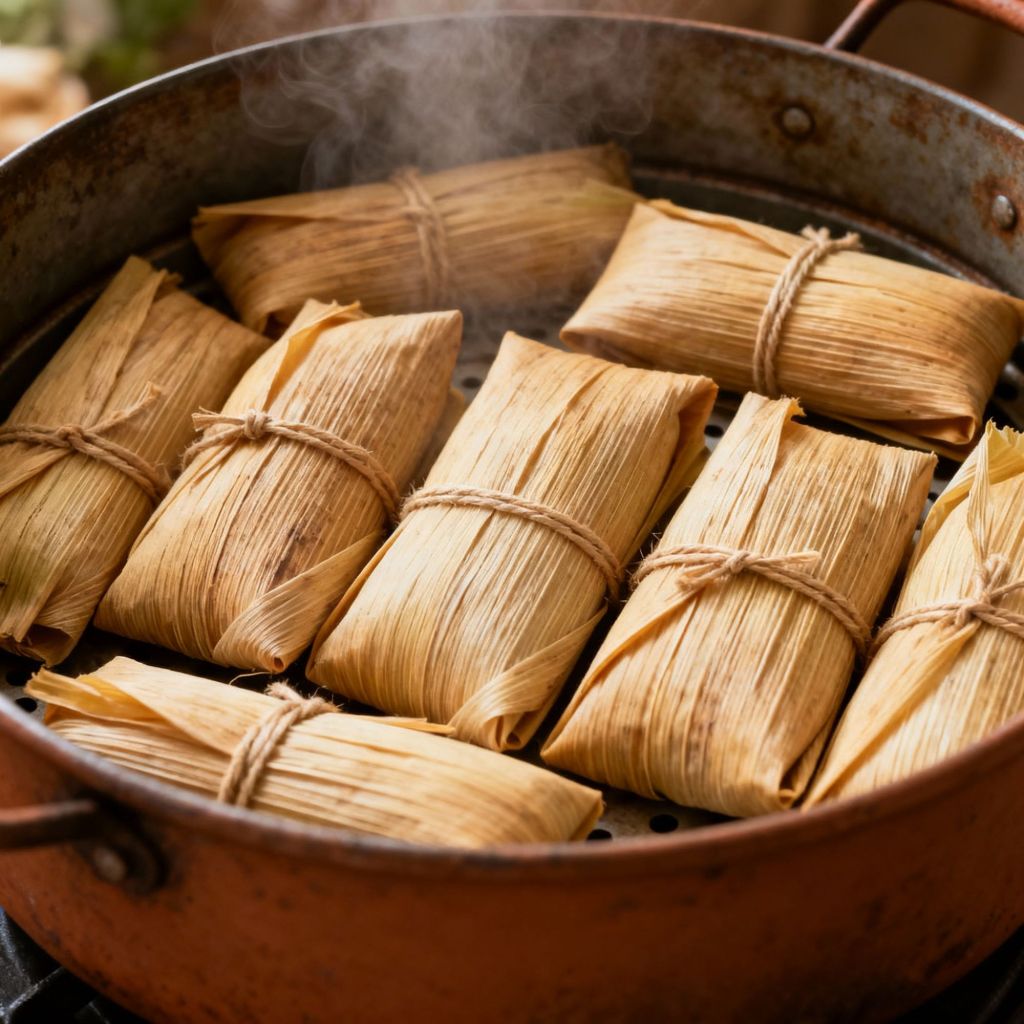
5. Place tamales standing up in a steamer basket. Cover with extra husks and steam for 45-60 minutes, until the dough separates easily from the husk.
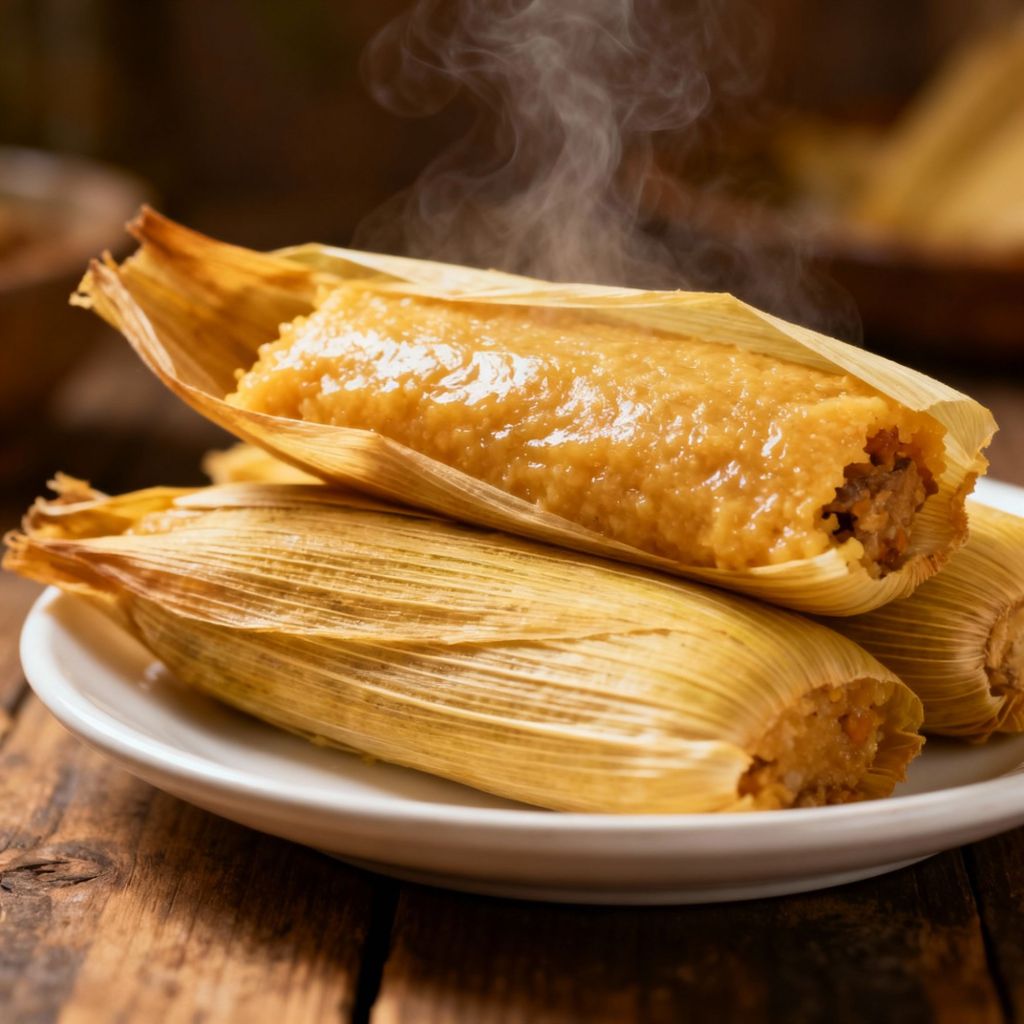
6. Serve hot with your favorite salsa.
Cultural Context & History
The tradition of tamales traces back thousands of years to pre-Hispanic Mesoamerica. Today, tamales remain a beloved comfort food for celebrations and a staple on Día de los Muertos altars, symbolizing nourishment and familial love across generations.
– Pan de muerto and sugar skulls also adorn altars, blending indigenous customs and Catholic influences.
– Each family’s celebration reflects regional differences and personal memories, creating a mosaic of Mexican cultural life.
 It's Nicky Lynn